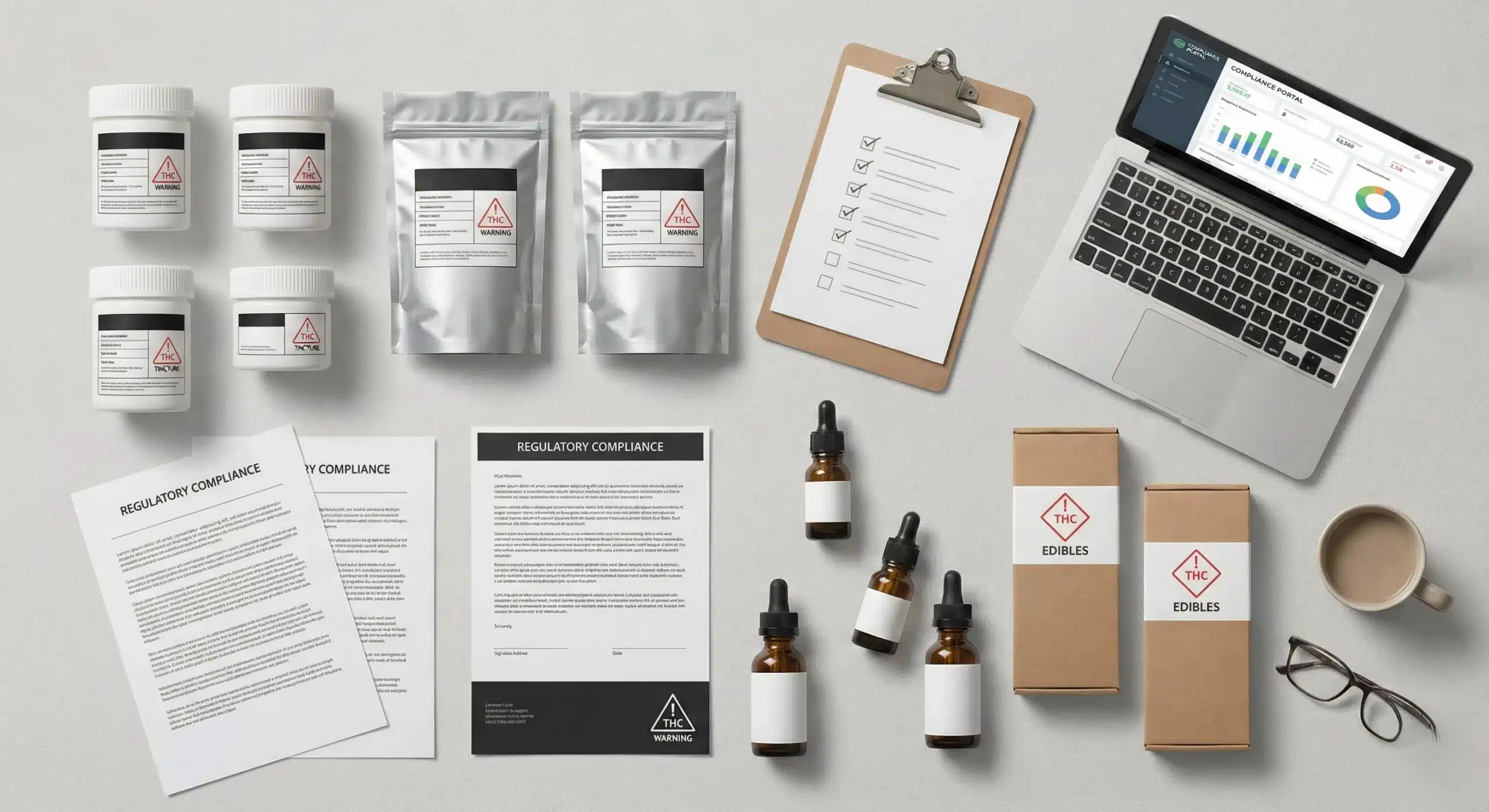
Navigating the maze of Cannabis Packaging Regulations in the US can feel overwhelming—especially with shifting laws, detailed labeling mandates, and strict warning requirements on every product. Whether you’re a dispensary owner, packaging supplier, or compliance officer, getting it right isn’t just about following rules; it’s about protecting your license, your customers, and your bottom line.
In this Cannabis Packaging Regulations Guide, we break down the complex federal baselines alongside state-by-state quirks—giving you a clear path through child-resistant standards, potency labels, tamper-evident features, and mandatory warnings. Ready to cut through confusion and confidently stay compliant? Let’s dive into everything you need to know to keep your operation ahead of enforcement actions and build trust with your market.
Federal Foundations – The Baseline for All US Cannabis Packaging
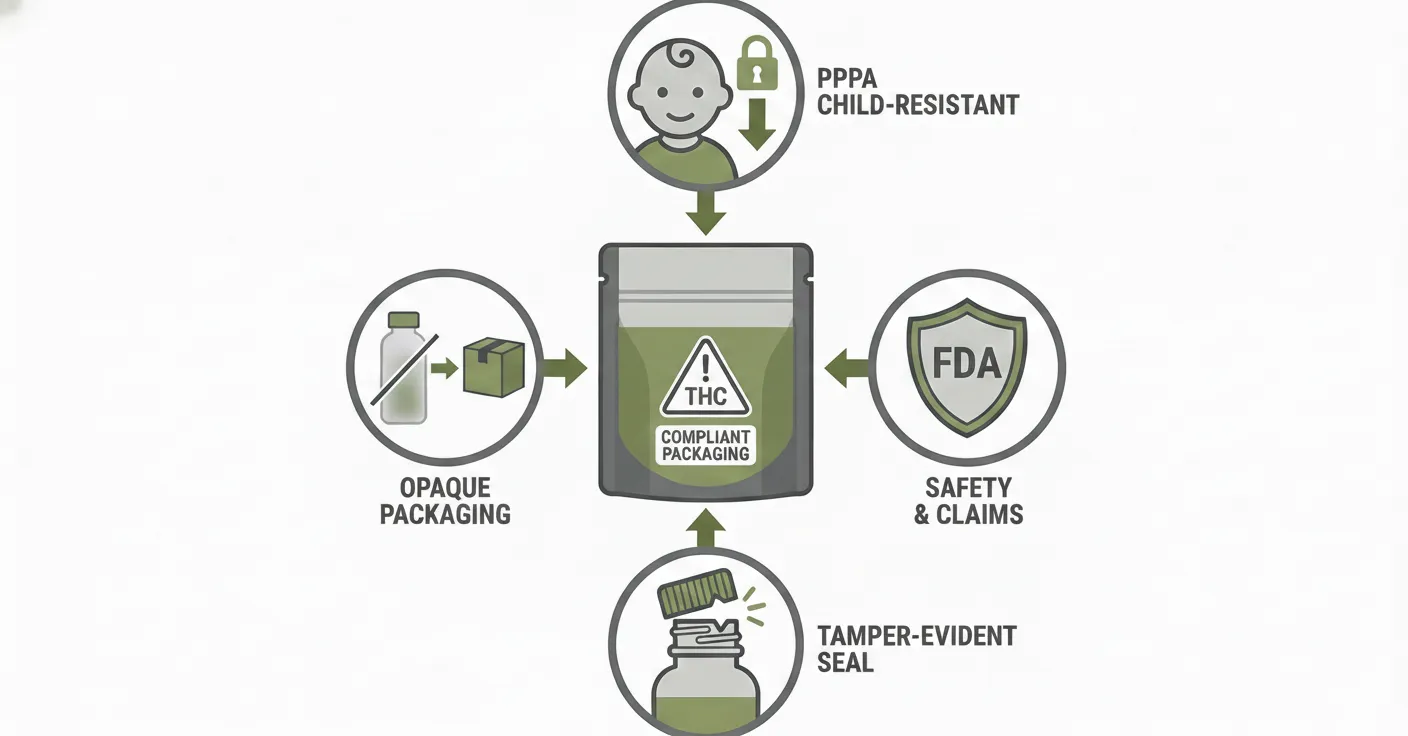
When it comes to cannabis packaging in the US, federal regulations set the essential baseline that every business must understand and follow—even as states add their own rules. The Poison Prevention Packaging Act (PPPA) plays a pivotal role here. Administered by the Consumer Product Safety Commission (CPSC), the PPPA requires packaging to be child-resistant to prevent accidental ingestion by minors. Though cannabis remains federally illegal as a controlled substance, these safety standards still influence packaging practices widely.
The FDA’s influence is also notable, especially concerning infused cannabis products like edibles and topicals. While the FDA doesn’t currently regulate cannabis federally, it monitors health claims and product safety, encouraging manufacturers to avoid misleading labels and to adhere to general food and drug safety rules.
At a core level, federal cannabis packaging must include:
- Tamper-evident seals that indicate if a package has been opened or compromised
- Use of opaque materials to block the visibility of the product, limiting appeal to children
- Designs that explicitly avoid any features that might be child-appealing, such as bright colors, cartoons, or playful fonts
Looking forward, the 2026 Farm Bill introduces new interstate cannabis transport packaging rules. These emerging regulations aim to harmonize packaging standards across state lines, especially for hemp-derived THC products, strengthening chain-of-custody integrity with secure, tamper-proof containers and clear labeling.
hemployd Tip: Quick Checklist for Federal Alignment
- Ensure all packaging is child-resistant per PPPA guidelines
- Use opaque packaging materials to block product visibility
- Apply tamper-evident seals that are easy to verify
- Avoid any child-appealing designs or wording
- Stay updated on Farm Bill 2026 interstate packaging rules
- Align labeling with FDA safety and claim standards, even if indirect
Understanding and adhering to these federal foundations is the first vital step in cannabis packaging compliance—laying the groundwork for meeting both national and state requirements confidently.
Child-Resistant and Tamper-Evident Packaging – Protecting Consumers and Your License
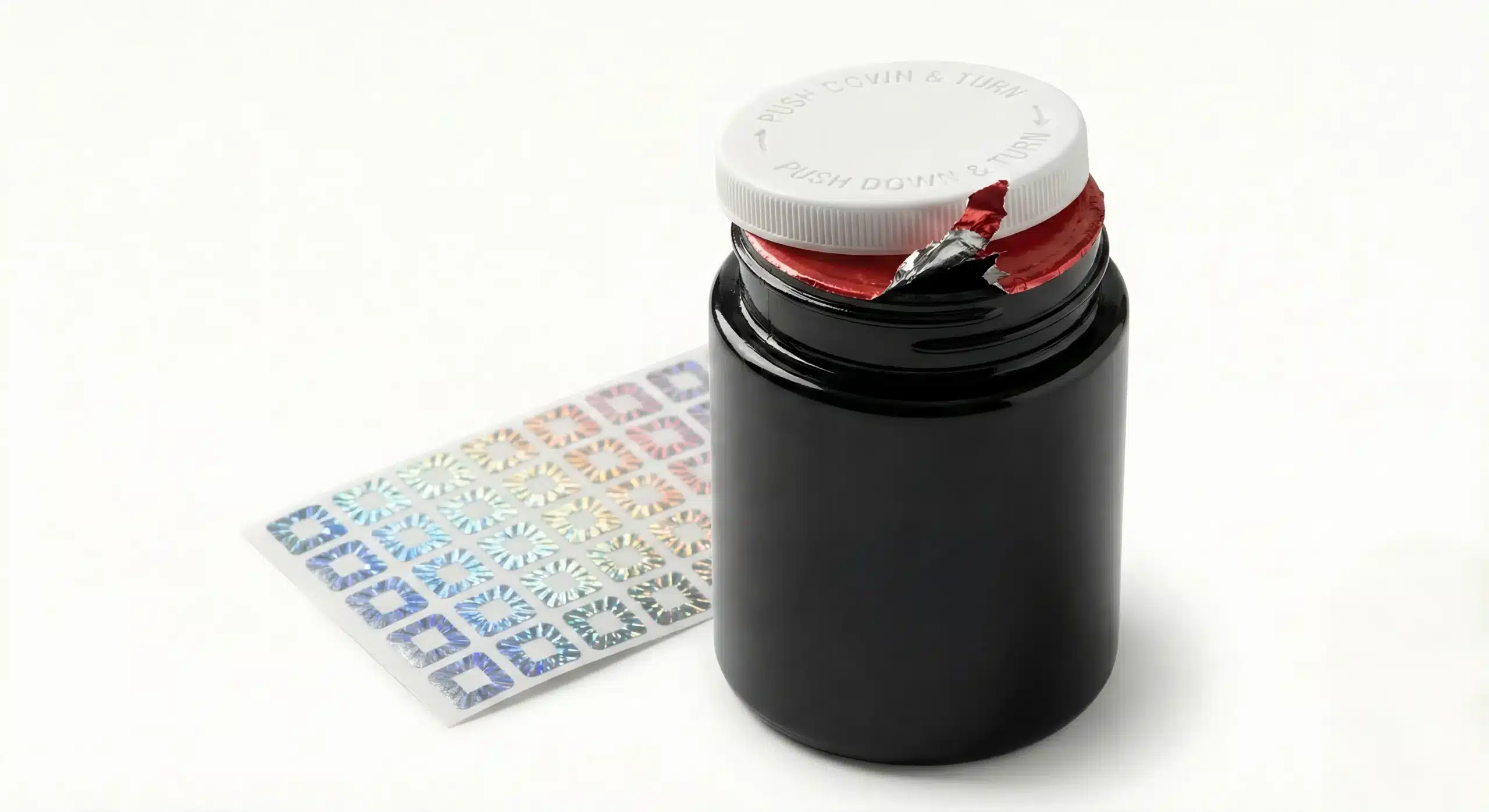
When it comes to cannabis packaging, child-resistant containers are non-negotiable. The U.S. Consumer Product Safety Commission (CPSC) sets the bar with strict standards to keep products out of little hands. This means packaging must pass tests proving kids can’t easily open them, while still being manageable for adults. Look for features like push-and-turn caps, locking lids, or blister packs that meet these protocols.
On the tamper-evident front, innovations have stepped up big time. Seals that break when opened, holographic stickers, or tear-away strips serve as clear signs if a package has been messed with. These aren’t just for safety—they also help protect your business from liability.
Different states handle enforcement in their own way. For example, California requires child-resistant packaging for all cannabis products, strictly enforcing packaging rules with heavy penalties for non-compliance. Meanwhile, Colorado has a similar approach but leans more on regular audits and updated packaging registration processes. Understanding these differences is key if you’re working across states.
Practically, sourcing compliant packaging means partnering with vendors who specialize in child-resistant materials and tamper-evident tech. While cost can be higher upfront, investing in reliable materials saves money long-term by avoiding fines and product recalls.
Take it from one business that avoided a $50,000 fine by tightening up packaging during an audit. Their move to certified child-resistant containers and tamper-evident seals not only passed inspection with flying colors but also boosted customer confidence.
Quick tips for implementation:
- Choose CPSC-certified child-resistant containers
- Use tamper-evident seals like holograms or breakable stickers
- Stay updated on state-specific packaging laws
- Factor packaging compliance into your budget early
- Run regular internal audits to catch issues before regulators do
Following these steps keeps your cannabis products safe, legal, and trusted by consumers.
Mastering Cannabis Labeling Requirements – From Potency to Provenance
Getting your cannabis labels right is key to compliance and building trust with customers. Here’s what you need to include and how to make it clear and effective.
Essential Label Elements
Your label must show these basics clearly:
| Element | Description |
|---|---|
| Net Weight | Exact product weight or volume |
| Batch Number | Traceability for quality control |
| Cannabinoid Profiles | THC, CBD percentages, and others |
| Universal THC Symbol | Required on all cannabis products |
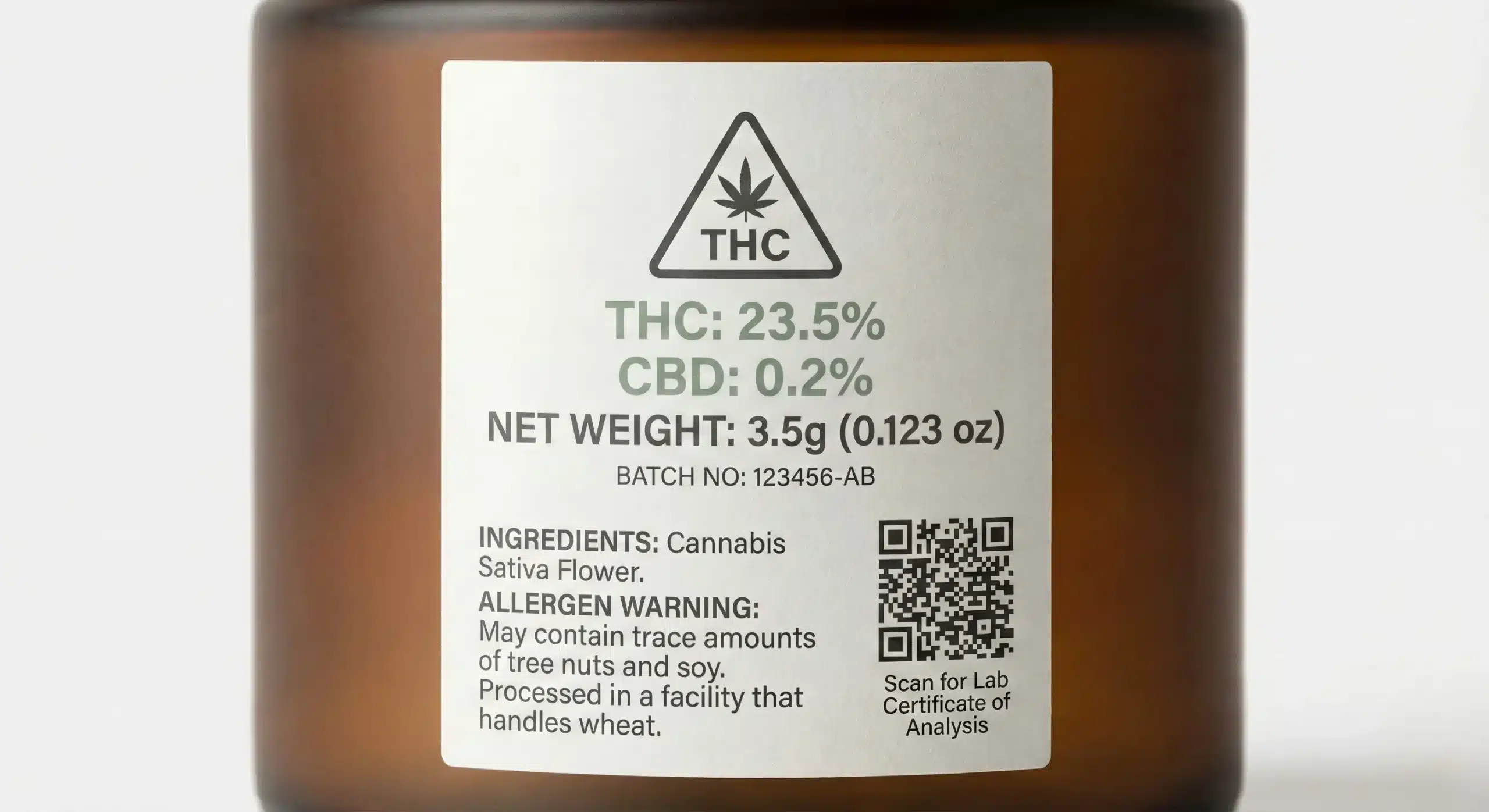
Potency and Dosage Disclosures
Customers need clear info on how strong the product is and how much they should use. Include:
- Serving size details (e.g., mg per serving for edibles)
- Lab testing results
- Certificate of Analysis (COA) references or QR codes linking to full reports
Ingredient and Allergen Transparency
Always list additives, preservatives, and possible allergens. If there’s risk of cross-contamination, that must be disclosed to protect consumers with allergies.
Label Design Best Practices
To keep labels compliant and readable:
- Use a font size that’s easy to read (at least 6 points)
- Place key info (THC %, warnings) prominently on the front
- Avoid any misleading claims about effects or cures
- Keep the layout clean and clutter-free
hemployd Insight: Compliant Label Mockup Template
Use a proven label template that checks all boxes—from potency to ingredient listings—to speed up approvals and audits. hemployd offers customizable label mockups designed for US cannabis laws, helping you stay compliant hassle-free.
By mastering these labeling requirements, you’re protecting consumers and making your products stand out as trustworthy and professional in the cannabis market.
Mandatory Warnings and Disclosures – Clear Communication to Mitigate Risks
When it comes to cannabis packaging, including mandatory warnings and disclosures isn’t just good practice—it’s the law. These warnings help inform consumers about potential risks, keeping everyone safer and protecting your business from costly penalties.
Standard Health and Safety Warnings
Federal and state regulations require clear, easy-to-read health warnings on all cannabis products. This usually includes:
- “Keep out of reach of children” statements
- Warnings against operating machinery or driving under the influence
- Alerts on the psychoactive effects of THC
- Messages about potential addiction and mental health risks
The wording is often standardized, so stick to the mandated language to stay compliant.
Product-Specific Cautions
Different cannabis products bring unique risks, so your packaging must highlight these clearly:
- Flower: Respiratory risks from smoke inhalation
- Edibles: Overconsumption dangers—include warnings about delayed effects and possible overdose symptoms
- Topicals: Possible skin irritation or allergic reactions—list appropriate cautions
Poison Control and Emergency Information
Include important emergency contact info to help consumers react quickly if needed:
- Poison control center hotlines
- Signs of psychosis or adverse reactions linked to cannabis use
- Addiction warning statements
This info is crucial for both consumer safety and legal compliance.
State Nuances: New York and Washington
Some states require tailored warnings:
- New York demands extra alerts about risks for pregnant or nursing women
- Washington includes specific language about impaired driving and child access
Make sure to double-check each state’s unique rules where you sell your product.
Compliance Pitfalls to Avoid
Common issues that put brands at risk include:
- Using outdated or incorrect warning language
- Small or hard-to-read font sizes
- Missing emergency contact info
- Not updating warnings as laws evolve
That’s where hemployd’s auditing service comes in handy—offering thorough compliance checks that catch these pitfalls before they cost you.
Keeping your cannabis packaging warnings accurate and clear is a straightforward way to reduce risk and build trust with your customers. Use the right wording, tailor disclosures to your product, and stay updated on state specifics to stay ahead.
State-by-State Breakdown – Tailoring Compliance to Your Market
Navigating cannabis packaging laws varies widely across states. Knowing the specifics helps you stay compliant without the headaches. Here’s a quick comparison of 10 key states covering child-resistant rules, opacity, serving limits, and unique requirements:
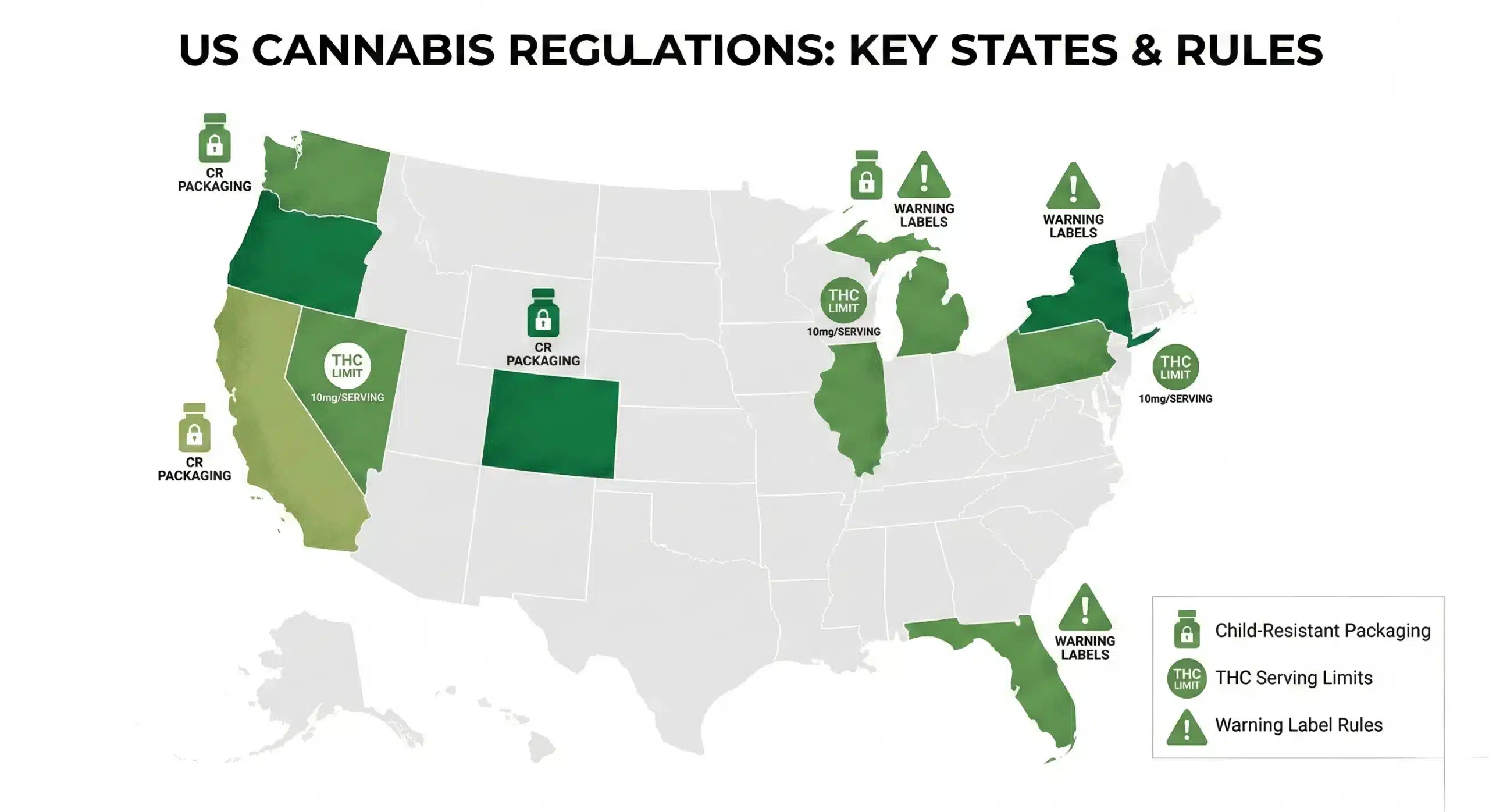
| State | Child-Resistant Packaging | Opacity Required | Serving Size Limits | Unique Mandates |
|---|---|---|---|---|
| California | Yes (CPSC compliant) | Yes (opaque bags) | 10 mg THC per edible portion | Universal THC symbol, batch number |
| Colorado | Yes | Partial opacity | 10 mg THC per serving | State-specific warnings, lab reports |
| New York | Yes | Yes | 5 mg THC per serving | Additional mental health warnings |
| Pennsylvania | Yes | Yes | 10 mg THC per serving | New 2026 rules on child-appeal designs |
| Florida | Yes | Yes | 10 mg THC per serving | Edible packaging cannot mimic snacks |
| Oregon | Yes | Yes | 5 mg THC per serving | No cartoon/child-appeal designs |
| Nevada | Yes | Yes | 10 mg THC per serving | Tamper-evident seals required |
| Michigan | Yes | Yes | 10 mg THC per serving | Enhanced allergen labeling |
| Washington | Yes | Yes | 10 mg THC per serving | Extensive poison control info |
| Illinois | Yes | Yes | 10 mg THC per serving | Strict edible branding laws |
State Highlights
- California: Focuses on strict child-resistant packaging alongside clear THC potency labeling and mandatory batch numbers. Their universal THC symbol is a must on all labels.
- New York: Adds layers of mental health warnings and emergency contact info. They also tighten edible serving sizes to 5mg to prevent overconsumption.
- Colorado: Known for detailed lab testing disclosures and unique product-specific warnings, especially for concentrates and topicals.
Emerging Markets to Watch (2026 Updates)
- Pennsylvania: Rolling out new rules focusing on packaging materials that avoid child appeal and enhanced labeling requirements.
- Florida: Tightening edible packaging standards to ban any designs that look like popular snacks or candies, plus enhanced child-resistance.
Multi-State Operators: Scalable Compliance Tips
- Standardize your packaging design templates to include all needed warnings and label elements from the most strict states you operate in.
- Use hemployd’s compliance tools to audit and update your packaging according to evolving state laws.
- Keep a modular packaging approach—swap in state-specific inserts or labels without overhauling your entire system.
- Regularly review your supply chain to ensure materials meet each state’s opacity and child-resistant rules.
Staying on top of these varying state regulations protects your license and your customers. With hemployd’s tailored compliance solutions, navigating this complex landscape becomes manageable and efficient.
Special Considerations for Product Types – Edibles, Concentrates, and Beyond
When it comes to cannabis packaging, different product types need specific attention to stay compliant and customer-friendly.
Edibles packaging must use opaque wrappers to keep products hidden from kids and meet portion limits set by state laws. Branding can’t mimic common food items like candy or snacks to avoid appealing to minors.
Concentrates and vapes require tamper-proof containers with clear universal THC symbols. Inhalation warnings are essential to inform consumers about potential risks.
For flower and pre-rolls, moisture-proof, resealable bags are standard. Including harvest dates helps track freshness and batch quality.
Topicals and tinctures should come in spill-proof containers with clear absorption disclaimers, so users know how to apply safely.
At hemployd, we offer customized hybrid packaging kits designed to meet these specific rules, keeping your products compliant and protected no matter the type.
Transport and Storage Regulations – Ensuring Chain-of-Custody Integrity
When it comes to moving and storing cannabis, keeping the chain of custody solid is non-negotiable. Whether you’re shipping across states or just moving product within your state, there are strict rules you need to follow.
Interstate and Intrastate Transport Rules
- Use secure, sealed containers that prevent tampering.
- Attach clear manifest labels as required by USDA guidelines. These show exactly what you’re transporting and where it’s going.
- Keep detailed records of every transfer to ensure full traceability.
Storage Requirements
- Store cannabis in climate-controlled facilities to maintain product quality.
- Lock your storage areas and have strict access control in place.
- Use tracking systems to monitor inventory at all times.
Audit-Ready Tips
- Use digital labeling connected to state systems like METRC to stay compliant and make audits simpler.
- hemployd offers a comprehensive transport toolkit that helps you handle documentation, label generation, and tracking with ease.
- Regularly review your transport and storage processes to catch any compliance gaps early.
Following these transport and storage regulations not only protects your product but also keeps your license safe and your business running smoothly.
Staying Ahead – Updates, Audits, and hemployd’s Compliance Edge
The cannabis packaging rules in the US are always evolving, especially with big updates on the horizon for 2026. Keeping an eye on alerts from official bodies like the Office of Cannabis Management (OCM) and state Cannabis Control Boards (BCC) is key. These updates can affect everything from labeling to child-resistant packaging, so staying informed saves you headaches down the line.
To ensure your operation stays compliant, use a solid self-audit framework. We recommend a simple 10-point checklist covering everything from tamper-evident seals to batch number disclosures. Bringing in third-party verification can give you peace of mind and protect your business from costly penalties.
Partnering with hemployd means you get complete, hassle-free compliance support. From packaging to labeling and transport regulations, hemployd offers end-to-end services to help you meet all federal and state standards without stress.
Ready to simplify your cannabis packaging compliance? Visit hemployd.com today for a free compliance assessment and start staying ahead of the curve.



 English