The Core Purposes and Benefits of Cannabis Packaging
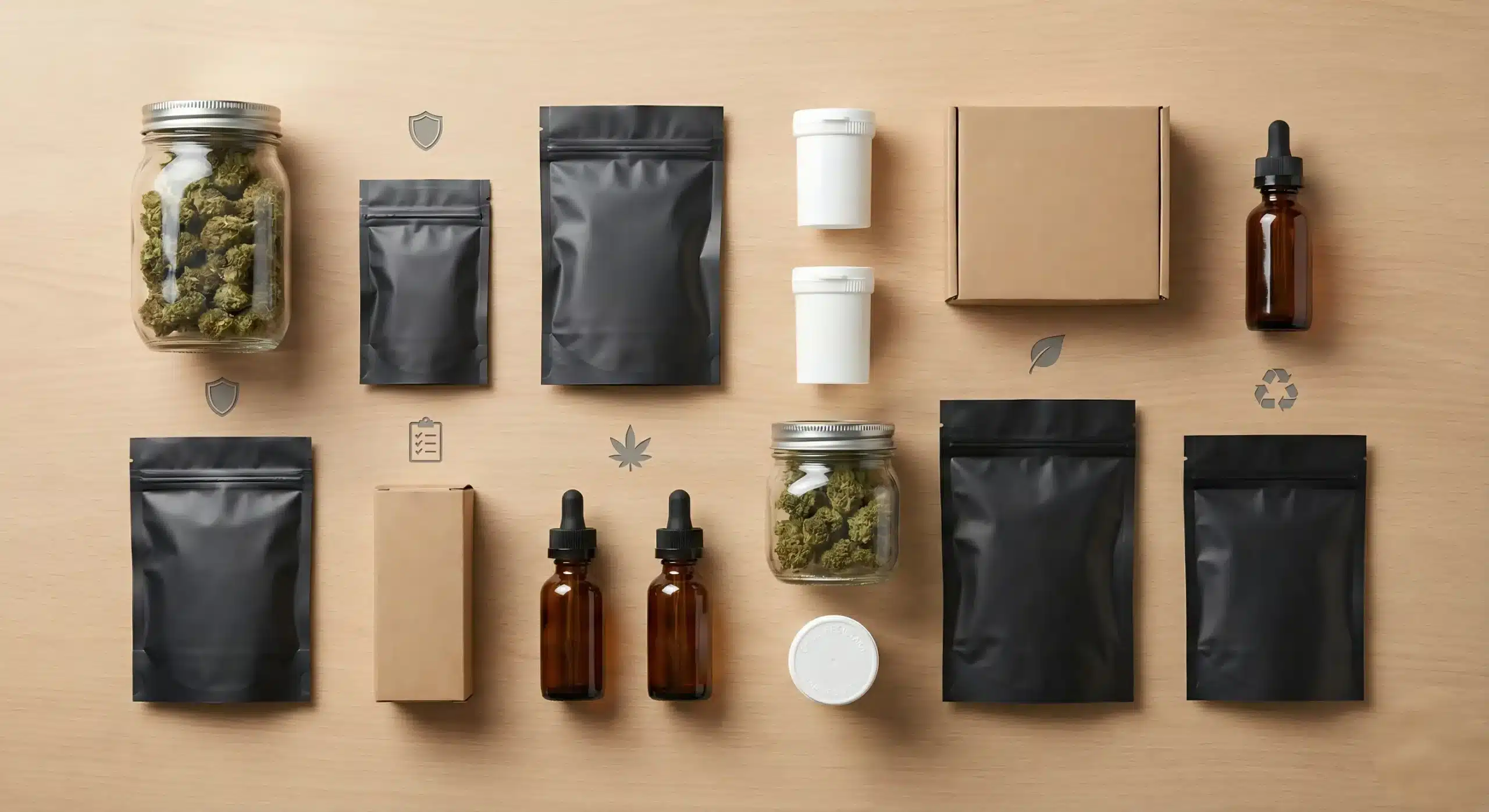
Cannabis packaging isn’t just about wrapping a product—it plays a critical role in protection, compliance, branding, and sustainability. Let’s break down the main benefits:
| Purpose | Why It Matters |
|---|---|
| Preservation & Protection | Keeps potency intact, prevents contamination, controls odor and moisture to maintain freshness. Essential for shelf life and effectiveness. |
| Child-Resistant Safety | Meets legal requirements in the U.S. to prevent accidental ingestion by kids. Includes secure lids and tamper-evident features. |
| Branding & Consumer Experience | Creates a memorable look, builds trust, and enhances buyer satisfaction through appealing design and easy-to-use packaging. |
| Sustainability | Eco-friendly options reduce environmental impact, reflecting responsible business practices consumers value today. |
In a nutshell, good cannabis packaging maintains product quality, ensures safety, boosts brand identity, and supports sustainability—all key for gaining consumers’ trust and sticking to strict legal standards. Have you noticed how a sleek, odor-proof weed bag changes your perception of quality? That’s the power of thoughtful cannabis packaging.
Types of Cannabis Packaging: Matching Form to Function
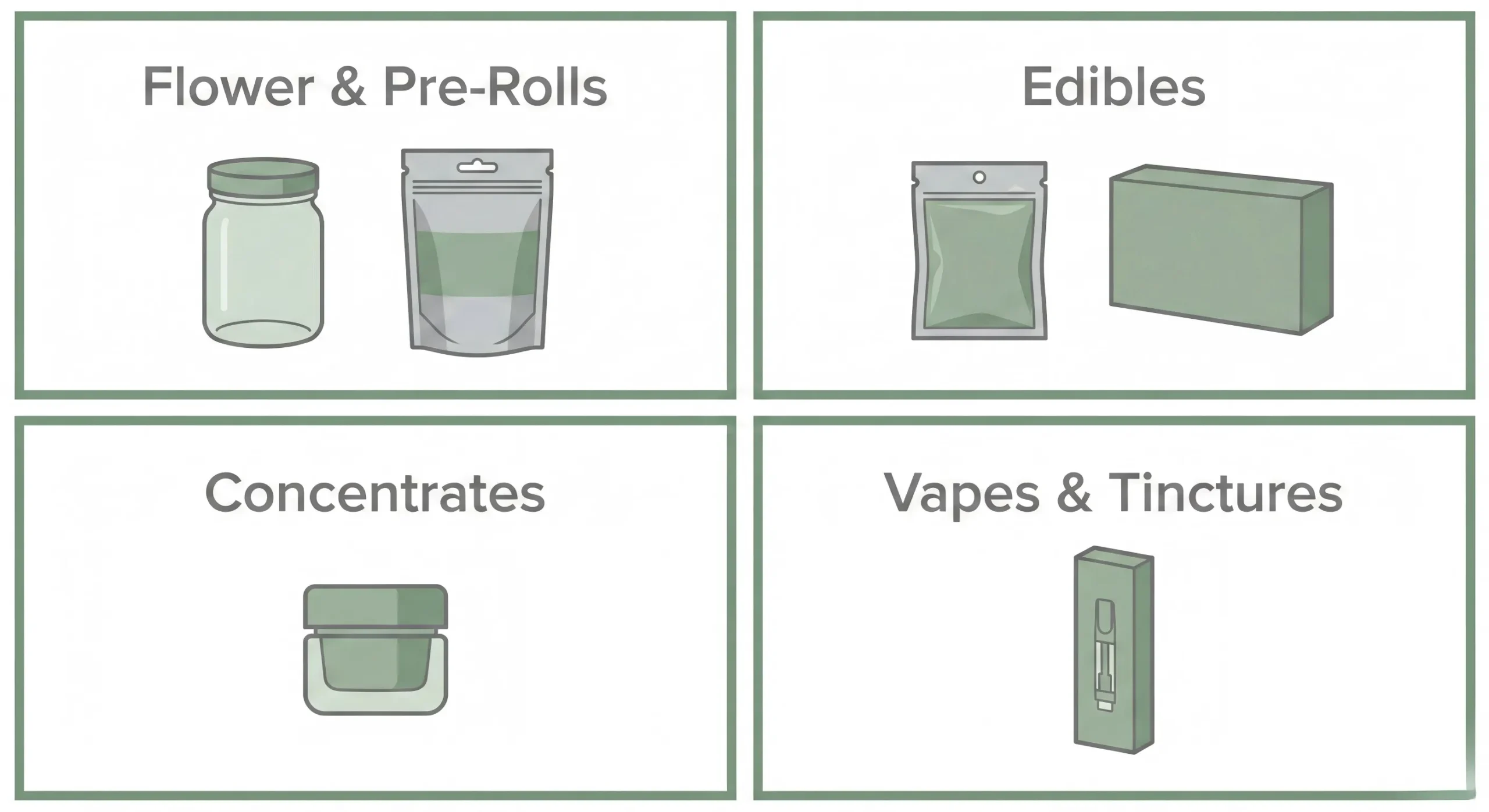
When it comes to cannabis packaging, the right type depends on the product inside. Here’s a quick look at the most common types and why they matter:
Flower and Pre-Rolls
- Jars: Usually glass or plastic, these are great for keeping flower fresh and odor-proof.
- Mylar Bags: Lightweight, flexible, and often odor-resistant — popular for both flower and pre-rolls.
- Pop-Top Tubes: Child-resistant and travel-friendly, perfect for pre-rolled joints.
Edibles Packaging
- Boxes and Pouches: Provide strong protection and branding space, often equipped with tamper-evident seals for safety.
- Clamshells: Clear, sturdy containers that help show product quality while ensuring freshness.
Concentrates Containers
- Glass Vials: Ideal for oils and waxes – they keep products safe from contamination and preserve potency.
- Silicone Containers: Non-stick and reusable, commonly used for wax concentrates.
- Child-Proof Drams: Small, secure bottles that meet safety standards.
Vapes and Tinctures
- Cartridges and Bottles: Designed to keep liquids stable and easy to use, often with child-resistant caps.
- Blister Packs: Used for tincture drops or vape pods, offering tamper evidence and portion control.
Accessories
- Exit Bags: Smell-proof and secure, these bags help consumers carry cannabis discreetly.
- Display Cases: Designed for dispensaries to showcase products while keeping them safe.
- Bulk Storage: Industrial-grade containers for larger amounts, balancing preservation with convenience.
Rigid vs. Flexible Packaging
- Rigid Packaging (like jars and clamshells): Offers strong protection, reusable, and great for high-end branding but can be heavier and costlier.
- Flexible Packaging (like mylar bags and pouches): Lightweight, cheaper, and space-saving but less durable against crushing or punctures.
Case Study: hemployd’s Modular Packaging Systems
hemployd offers versatile packaging solutions that combine durability with sustainability. Their modular designs allow brands to customize cannabis containers and bags that fit multiple product types while meeting child-resistant and odor-proof requirements—streamlining supply and boosting user experience.
Choosing the right cannabis containers isn’t just about looks; it’s about matching packaging function to your product needs while meeting legal safety standards.
Cannabis Packaging Regulations and Requirements: Navigating Compliance
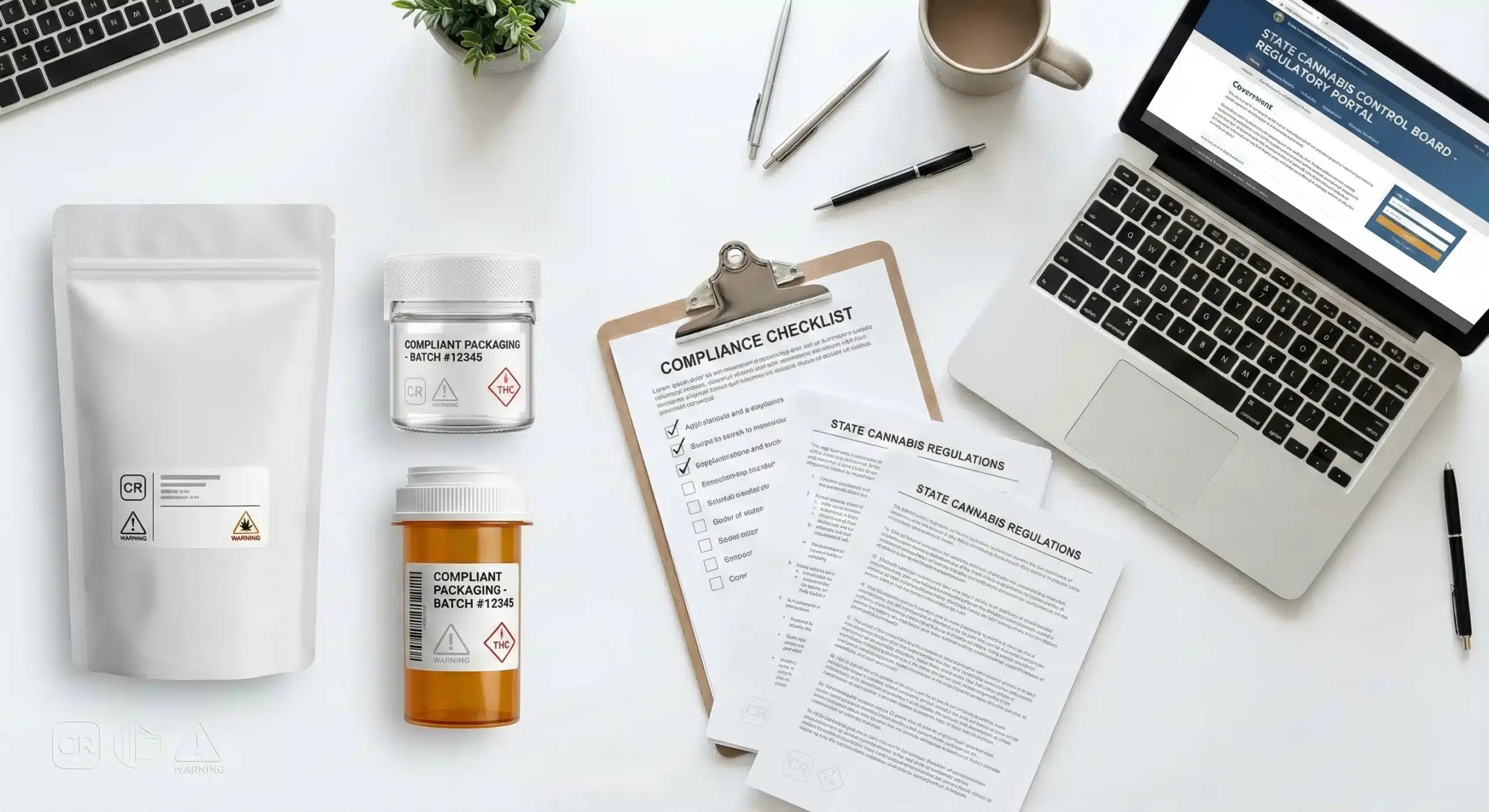
Understanding cannabis packaging laws is key if you want to stay legal and protect your customers. Here’s a quick look at what you need to know about federal, state, and even global rules.
Federal and State Regulations Overview
- California’s Child-Resistant Laws: Requires all cannabis containers to be child-proof to reduce accidental ingestion.
- State variations: Packaging rules differ—some states require opaque containers, others demand tamper-evident seals or odor-proof bags.
- Federal level: Cannabis remains federally illegal, so federal regulations mostly don’t apply, but you must always follow state laws.
Child-Resistant Standards & Testing
Packaging needs to meet child-resistant protocols, usually defined by ASTM and federal standards. Common testing includes:
| Test Type | Purpose |
|---|---|
| ASTM D3475 | Ensures child-resistance for containers |
| Federal Poison Prevention Act | Sets baseline childproof packaging rules |
| Third-party lab testing | Confirms compliance before sale |
Mandatory Labeling Requirements
Labels must include clear, accurate info for safety and compliance:
- THC/CBD content (exact percentages or milligrams)
- Health warnings (e.g., “Keep out of reach of children”)
- Batch or lot numbers for traceability
- Universal cannabis symbols (like the marijuana leaf icon)
- Expiration dates and manufacturer details if required
Medical Cannabis Packaging Rules
Medical cannabis packaging often has even stricter standards:
- Must meet pharmaceutical-grade safety, including tamper-evident seals
- Clear, sterile, and precise dosing instructions
- Child-resistant and secure for patient handling
A Quick Look at Global Regulations
Countries vary massively, but common themes include:
- Child safety
- Clear cannabis product labeling
- Tamper-proof seals If you export, check local laws carefully.
Compliance Checklist
| Task | Status (✓/✗) |
|---|---|
| Child-resistant packaging | |
| Accurate THC/CBD labeling | |
| Batch/lot numbers included | |
| Health and safety warnings | |
| Tamper-evident seals |
Useful Resources
- ASTM International – Packaging standards
- State government cannabis compliance sites (e.g., California BCC)
- Third-party compliance and testing labs
Following these rules isn’t just about legal safety—it builds trust with your customers and helps your brand grow in the competitive cannabis market.
Materials in Cannabis Packaging: From Traditional to Innovative
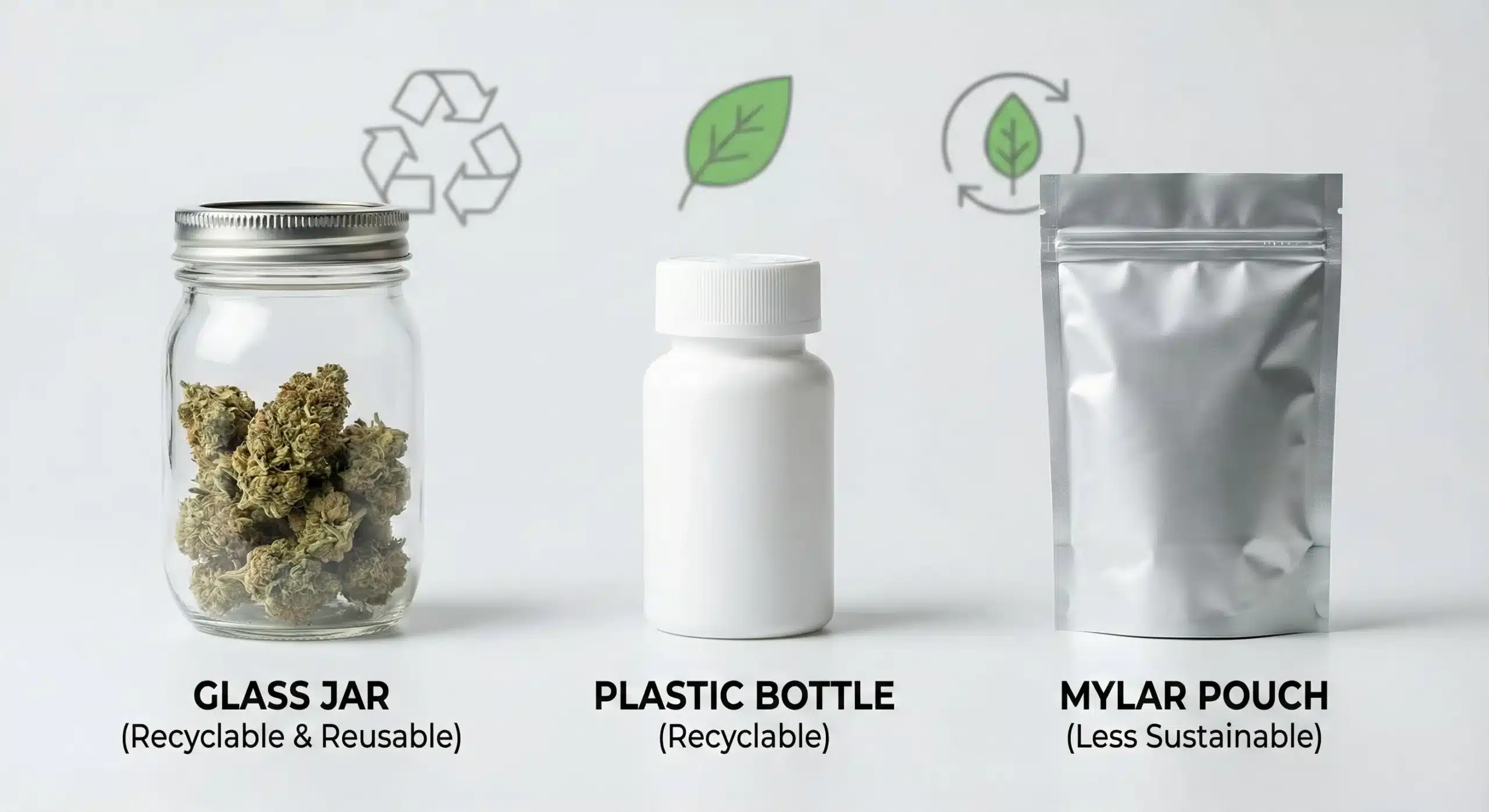
When it comes to cannabis packaging, the materials you choose make a big difference in preserving freshness, staying compliant, and appealing to customers. The most common materials you’ll see are glass, plastic, and mylar/foil pouches. Glass jars are great for keeping flower potent and odor-proof, while plastic offers lightweight options for vapes and tinctures. Mylar bags are popular for their moisture control and durability, especially for flower and edibles.
In recent years, there’s been a strong push for eco-friendly THC packaging. Biodegradable films, hemp composites, and recycled plastics provide sustainable alternatives without sacrificing functionality. These materials not only reduce environmental impact but also resonate well with today’s conscious consumers.
Innovations like smart packaging are also making waves. Some cannabis containers now include QR codes and NFC chips that let customers verify product details, batch info, and test results with a quick scan—boosting transparency and trust.
Of course, every material comes with trade-offs:
- Glass: Durable and non-reactive but heavier and prone to breaking.
- Plastic: Lightweight and cost-effective yet less eco-friendly and may affect shelf life.
- Mylar/foil: Excellent for odor control but can be less sturdy for long-term storage.
Choosing the right packaging materials depends on your product type and priorities like cannabis freshness preservation, shelf life, cost, and environmental concerns—all vital for meeting both market demand and regulations here in the U.S.
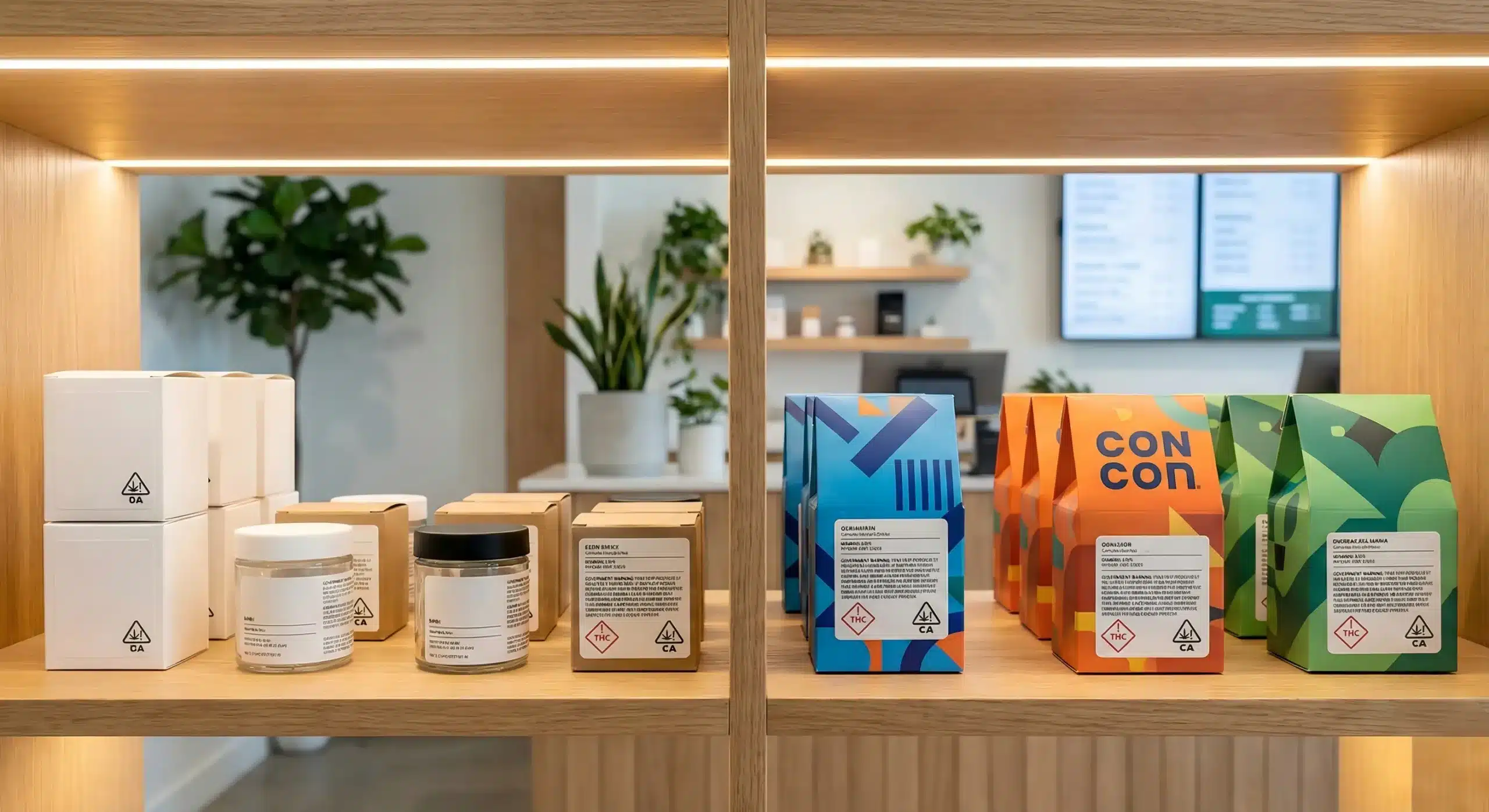
Cannabis Packaging Market Size, Trends, and Design Best Practices
The cannabis packaging market in the U.S. is growing fast, driven by expanding legalization and consumer demand. Experts expect the market to keep rising as more states allow recreational and medical marijuana. This means brands need packaging that stands out while meeting strict compliance.
Current Packaging Trends
- Minimalist & Plain Packaging: Some brands lean into simple, clean designs to emphasize professionalism and comply with legal restrictions.
- Bold Branding: Others use eye-catching colors, creative typography, and unique shapes to grab attention and build customer loyalty.
Design Essentials
- Color Psychology: Colors influence buyer choices—greens and earth tones suggest natural, organic products, while bright colors can signal energy or flavor.
- Typography: Clear, readable fonts are a must for compliance and easy recognition.
- AR Integration: Augmented reality elements on packaging are becoming popular for enhancing consumer engagement and sharing detailed product info.
Brand Success Stories
Well-designed packaging can boost sales significantly. For example, hemployd’s custom cannabis packaging solutions help companies create standout, compliant containers that connect with customers and protect product quality.
hemployd’s Custom Services
Hemployd specializes in tailor-made packaging designed for the U.S. cannabis market. They focus on combining functionality, legal compliance, and striking design to help brands succeed in a competitive landscape.
In short, smart cannabis packaging blends durable protection with creative design, aligning with growing market demands and evolving consumer expectations.
Challenges and Solutions in Cannabis Packaging
Cannabis packaging comes with its fair share of challenges. One common issue is scalability. What works for small batches often breaks down when you try to produce hundreds or thousands of packages. Supply chain disruptions also throw a wrench in production timelines, especially when materials like compliant cannabis jars or eco-friendly THC packaging run short. Another big mistake is skipping proper testing—without it, you risk non-compliance with child-resistant standards or poor product freshness.

So, how do you tackle these problems? Partnering with reliable suppliers like hemployd makes a big difference. They offer consistent quality, flexible manufacturing, and help with compliance, meaning you won’t get stuck without dispensary packaging supplies when you need them most. They also provide custom solutions like child-proof weed bags and sustainable cannabis boxes, fitting your brand while meeting legal weed packaging standards.
Looking ahead, cannabis packaging is leaning into tech. Smart features like blockchain can track product history securely, while zero-waste goals push for more sustainable cannabis containers and biodegradable films. These innovations don’t just meet regulations—they help brands stand out in a crowded market while keeping an eye on the environment.