When You Should (and Shouldn’t) Reuse Dropper Bottles
Reusing dropper bottles is a smart, eco-friendly choice—but knowing when to reuse and when to toss is crucial for your safety and success.
Personal Use vs. Commercial/Gifting/Sale
- Personal Use: Reusing dropper bottles at home for your own skincare, essential oils, or tinctures is generally safe as long as you clean and sterilize them properly. It’s a great way to save money and reduce waste.
- Commercial Use or Gifting: If you plan to sell or gift your products, reusing bottles gets trickier. Many states require strict labeling, tamper-evident packaging, and sanitation standards for resale. Cross-contamination risks and liability issues mean it’s often best to use new bottles for commercial purposes unless you can guarantee professional-grade sterilization.
Signs a Bottle Is No Longer Reusable
Before reusing any dropper bottle, inspect it carefully. Don’t reuse if you find:
- Cracked or chipped glass – Even tiny cracks can harbor bacteria or cause leaks.
- Damaged pipettes or rubber bulbs – If the dropper mechanism is broken or degraded, it won’t function properly and can contaminate your liquids.
- Persistent odors or discoloration – Strong smells or stains that don’t fade after cleaning indicate deep residue.
- Warped or loose caps – For safety, bottles must seal tightly to prevent contamination or spills.
If you notice any of these issues, it’s safer to recycle the bottle instead of reusing it.
Remember: Cleanliness and bottle integrity are your first lines of defense when reusing dropper bottles safely. Always prioritize your health and product quality over cost savings.
Tools & Materials You’ll Need
Before you start cleaning and reusing dropper bottles, gather these basic tools and materials to make the process smooth and effective:
- Warm water – for rinsing and soaking
- Mild dish soap – gentle but effective for removing residue
- Isopropyl alcohol (70% or 99%) – excellent for disinfecting and sterilizing
- White vinegar – great for breaking down stubborn residues and odors
- Baking soda – perfect for odor removal, especially with strong essential oils or cannabis
- Small bottle brush or pipe cleaners – to clean inside the bottle and pipette carefully
- Tweezers or toothpicks – for removing label bits or stuck-on residue
- Clean cloth or paper towels – drying bottles before reuse
- Funnels or syringes – handy for refilling without spills
- Gloves (optional) – if you want to keep everything extra sanitary
Having these on hand will help you clean, sterilize, and safely refill your dropper bottles without hassle.
Step-by-Step: How to Fully Clean Dropper Bottles (3 Proven Methods)
Reusing dropper bottles means getting them really clean. Here are three easy ways to get your bottles spotless and ready for refill.
Method 1 – Quick Everyday Clean (Hot Soapy Water + Alcohol Rinse)
- Fill the bottle and pipette with hot, soapy water. Use mild dish soap.
- Shake or scrub gently to remove leftover liquid or dirt.
- Rinse thoroughly with warm water.
- Wipe or rinse the bottle and pipette with 70% isopropyl alcohol to kill germs.
- Let everything air dry on a clean towel.
This method works well if you’re switching between similar liquids or using the bottle for personal care again.
Method 2 – Deep Clean for Stubborn Residue & Labels
- Soak bottles and droppers in warm water mixed with a bit of vinegar or baking soda for 20–30 minutes.
- Use a soft brush or sponge to scrub off any leftover gunk or sticky label bits.
- If adhesive remains, try rubbing with a little oil (like coconut or olive) before washing again.
- Rinse well with warm water and dry completely.
This deep clean tackles tough residue and makes sure your dropper bottles look and feel fresh.
Method 3 – Odor-Eliminating Clean for Cannabis & Strong Essential Oils (Baking Soda + Vinegar Overnight Soak)
- Make a mixture of warm water, 2 tablespoons of baking soda, and 1 cup of white vinegar.
- Submerge your glass bottles and pipettes completely.
- Let them soak overnight to neutralize strong smells like cannabis or essential oils.
- The next day, rinse well with warm water and wash with soap to remove any leftover smell.
- Dry fully before reuse.
This method is a favorite for those who want to reuse CBD tincture bottles or any dropper that held potent oils, preventing any unwanted scent from lingering.
Cleaning your dropper bottles properly means a safer, longer-lasting reuse. Each method fits different needs, so pick what suits your leftover bottle condition best.
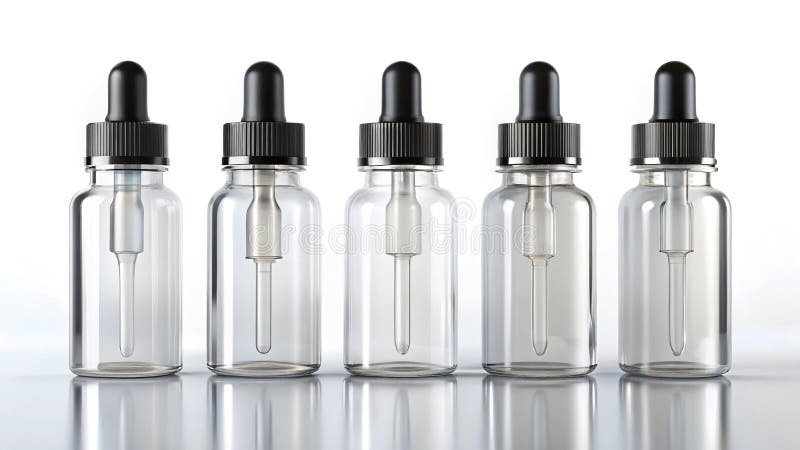
How to Sterilize Dropper Bottles & Pipettes Properly
Sterilizing dropper bottles and pipettes is key for safe reuse, especially if you’re using them for skincare, tinctures, or anything going on your body. Here are solid ways to do it without damaging your glass or rubber parts.
Boiling Method
- Fill a pot with water and submerge the glass dropper bottles and glass pipettes (separate rubber bulbs first).
- Boil for 10 minutes to kill most germs.
- Remove carefully and let air dry on a clean towel. Note: Don’t boil rubber bulbs—they can warp or crack.
Isopropyl Alcohol 99% Technique
- Rinse bottles and pipettes with hot soapy water first.
- Then soak or wipe with 99% isopropyl alcohol for at least 5 minutes.
- Flush the inside with alcohol and let everything air dry completely. This method works well for quick sterilization without heat.
Autoclave or Pressure Cooker Option (For DIYers)
- If you have an autoclave or pressure cooker, you can sterilize glass parts at 250°F under pressure for 15-20 minutes.
- This ensures deep sterilization for serious reuse projects.
- Avoid putting rubber or plastic parts inside an autoclave; heat can damage them.
How to Sterilize Rubber Bulbs & Plastic Pipettes Without Ruining Them
- Wipe down with 70-90% isopropyl alcohol carefully—avoid soaking to prevent deterioration.
- Alternatively, soak briefly in a mild bleach solution (1 part bleach to 10 parts water), then rinse thoroughly with sterile water.
- Let air dry away from direct sunlight.
Proper sterilization keeps your reused dropper bottles safe and clean without risking cracks or smelly residues.
How to Remove Labels and Adhesive Completely
Getting labels and sticky residue off dropper bottles can be tricky, but with the right tools, it’s simple and quick. Here are the best solvents and tricks to clean your glass bottles for reuse:
- Goo Gone: This is a go-to adhesive remover that works wonders on stubborn glue. Apply a small amount, let it sit for a minute or two, then wipe off with a cloth or paper towel. Always wash the bottle afterward with soap and water to remove any oily residue.
- Oil Soak (Vegetable or Olive Oil): Soak the bottle or just the label area in oil for 15–30 minutes. The oil breaks down the adhesive, making the label peel off easily. Afterward, scrub gently with a sponge or cloth and wash thoroughly to avoid a greasy feel.
- Heat Gun or Hair Dryer: Warm up the label with a heat gun or hair dryer on medium heat to soften the glue. Peel the label off slowly while heating to avoid tearing. This method works great for tough labels that resist soaking.
A quick tip: combine these methods for the best results, like heating the label first, then applying Goo Gone. This combo tackles even the toughest stickers and adhesive mess.
Remember, after removing labels and glue, rinse well to ensure your dropper bottles are clean and ready for reuse.
15 Creative Ways to Repurpose Old Dropper Bottles
Got old dropper bottles? Don’t toss them! Here are 15 easy and smart ways to reuse those 30ml dropper bottles, perfect for everyday life and small DIY projects.
- Travel-Size Toiletries: Fill them with shampoo, lotion, or liquid soap for hassle-free trips. Compact and leak-proof!
- Homemade Essential Oil Blends: Mix your favorite oils and store them safely for quick use.
- DIY Perfume or Face Serum: Craft personal scents or skin serums and keep them fresh in dropper bottles.
- Vanilla Extract or Food Flavorings: Perfect for baking – store vanilla or other extracts without worrying about spills.
- Eye Drop Storage: Clean, sterilized bottles are great for homemade saline or eye drops if done safely.
- Paint or Ink for Artists: Dispense small amounts of paint or ink with precision—ideal for detail work or crafts.
- Seed Starting / Plant Food: Use to feed seedlings or apply liquid fertilizers with control.
- Mini Flower Vases: Small but cute—great for single stem flowers decorating your desk or shelves.
- Jewelry Cleaner Carrier: Store homemade or store-bought jewelry cleaner for easy application.
- Additional Niche Ideas:
- Aromatherapy rolls-on blends
- DIY cuticle oils
- Tattoo or piercing aftercare liquids
- Small batches of homemade tinctures
- Liquid supplements or vitamins
- Pet medicine doses for easy delivery
Repurposing dropper bottles cuts down waste and adds convenience to your day. Plus, many of these ideas help you reuse your glass bottles safely and creatively rather than just throwing them out.
Refilling Tips & Best Practices
Refilling dropper bottles the right way helps you avoid contamination and keeps your products safe and fresh. Here are some quick tips to make sure you’re doing it right:
- Avoid cross-contamination: Always clean your hands and work surface before refilling. Use a clean funnel or syringe to transfer liquids—never pour directly from one bottle to another without a tool.
- Use funnels and syringes: These tools make refilling easier and reduce spills. A small funnel fits well in dropper bottles, while syringes let you control precise amounts without touching the dropper or inside the bottle.
- Label reused bottles clearly: Mark the contents, date filled, and any special instructions (like expiration). This avoids confusion later—especially if you’re storing homemade blends or tinctures.
These steps keep your dropper bottles safe to use and help maintain the quality of whatever you’re storing.
Safety & Hygiene Rules You Should Never Skip
Reusing dropper bottles is great for cutting waste, but safety comes first. Never reuse bottles if you spot mold, cracks, or chips in the glass or if the pipette is damaged. Always ask yourself: was the bottle originally used for something harmful or unknown? If you can’t identify the previous contents, it’s best to toss it. Chemicals or spoiled liquids may leave behind residues that are tough to clean and could be dangerous.
Also, pay close attention to child-resistant caps. These are important for products like CBD tinctures, essential oils, or anything you want to keep out of kids’ reach. Many child-resistant features don’t work as well after being opened once or reused multiple times. So, if safety matters, consider buying new child-resistant caps rather than reusing old ones.
Key safety tips:
- Don’t reuse bottles with mold, cracks, or leftover residue.
- Avoid reusing bottles if you don’t know what was inside.
- Replace child-resistant caps when possible.
- Keep bottles labeled clearly after refilling to prevent mix-ups.
Follow these rules to keep your reused glass dropper bottles safe and hygienic for personal use!
Eco-Impact: How Reusing One Bottle Saves the Planet
Reusing dropper bottles isn’t just good for your wallet—it’s great for the environment too. Glass recycling is helpful but can be energy-intensive because it requires melting down old glass at high temperatures. On the other hand, reusing glass bottles avoids this step entirely, reducing the carbon footprint significantly.
Here’s a quick look:
- Recycling one glass bottle saves about 30% of the energy compared to making a new one from raw materials.
- Reusing that same bottle—no recycling needed—saves even more energy and cuts down on greenhouse gas emissions.
- Every time you refill and reuse a 30ml dropper bottle, you help reduce the demand for new bottles, which translates to less mining, manufacturing, and transport emissions.
Switching to reuse in your daily routine supports sustainable packaging ideas and lowers your overall environmental impact by conserving resources and cutting waste. It’s a simple step that adds up fast!
Ready for New Bottles? Check Out hemployd.com’s 2025 Collection
If you’re ready to upgrade your dropper bottles, hemployd.com has you covered with their 2025 Collection. They offer child-resistant and UV-resistant options that keep your products safer and fresher. You can also get custom-printed bottles to make your packaging stand out — perfect for small businesses or personal branding.
Looking for standard sizes? Their 30ml tincture bottles are a popular choice, available with bulk pricing that makes stocking up affordable. Plus, they offer free samples so you can test quality before buying in bigger quantities.
Explore hemployd.com today to find reusable, safe, and stylish glass bottles designed with the U.S. market in mind.